Every September, London becomes a living design laboratory. Museums, workshops, showrooms and public spaces are filled with new materials, experimental objects and ambitious installations. Yet the most photographed ideas are not always the ones that find their way into real homes.
The more useful question is not simply what appeared at London Design Festival 2026, but what will remain relevant now that the installations have been dismantled.
Held from 12–20 September 2026, the Festival’s 24th edition brought together landmark installations, exhibitions, the Global Design Forum and events across 11 design districts. Its programme placed particular emphasis on global exchange, revived craft, material innovation and the increasingly fluid relationship between physical and digital design.
For London interiors, the influence is likely to be quieter and more considered than a single fashionable colour or furniture shape. We expect to see a deeper interest in materials with provenance, objects shaped by human skill, adaptable spaces and homes designed around sensory experience. Here are the ideas we believe will actually shape interior design in London and beyond.
© Marks Cocksedge
Sustainability has been part of the design conversation for years, but its expression is changing. Broad environmental claims are giving way to more specific questions: What is this material made from? Where did it come from? Can it be repaired, reused or returned to a biological cycle?
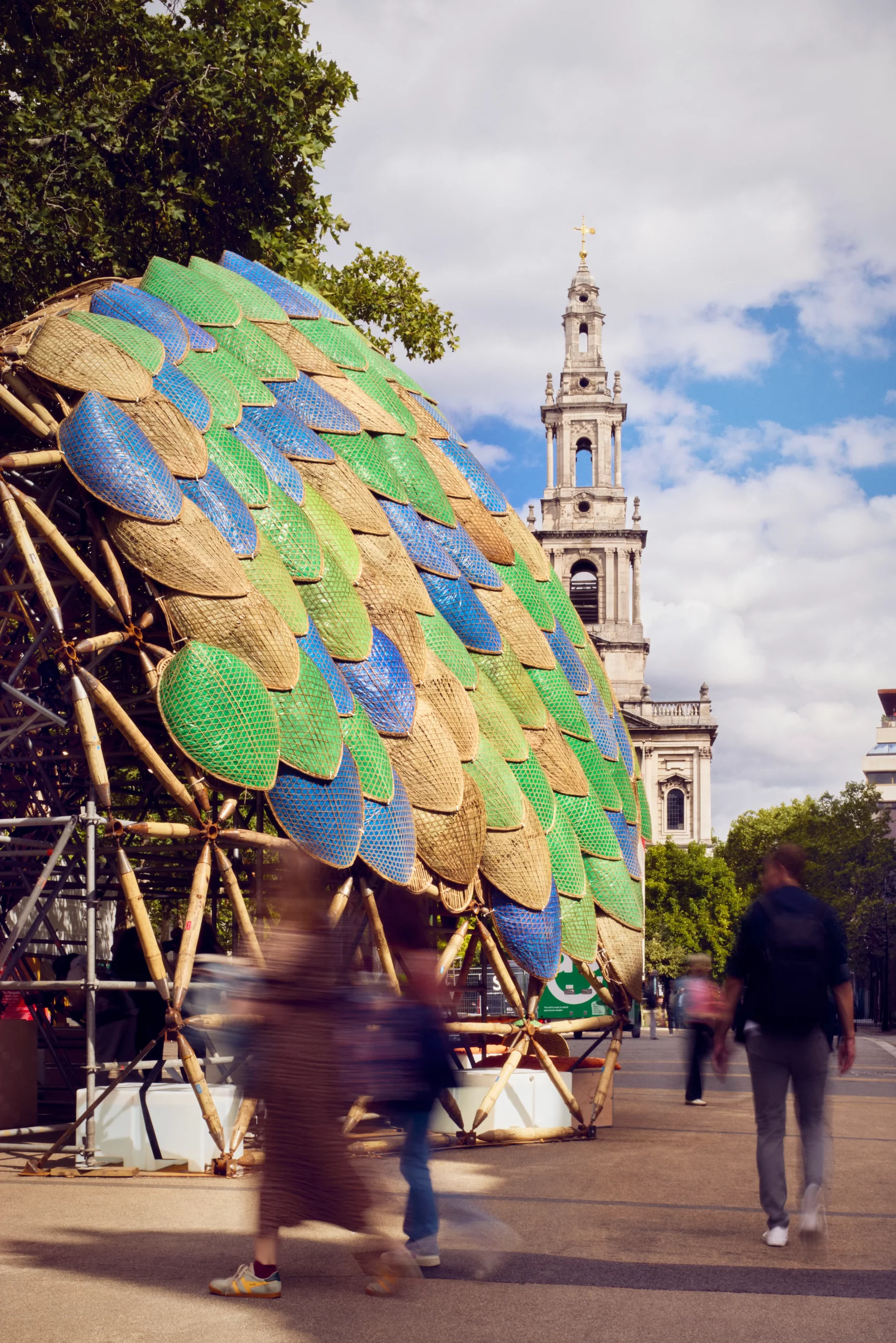
At London Design Festival, material innovation was explored through responsible production, circularity and unconventional natural resources. The Pith® x Launch Pad initiative, for example, supported emerging designers working across responsible design and new materials. Elsewhere, The Pangolin Shield by Studio Saar and Atelier One used a bamboo grid shell with traditional Indian bamboo shields to create a protective public canopy.
These projects suggest a future in which environmental thinking is visible in the texture, construction and narrative of an interior, not hidden behind a label.
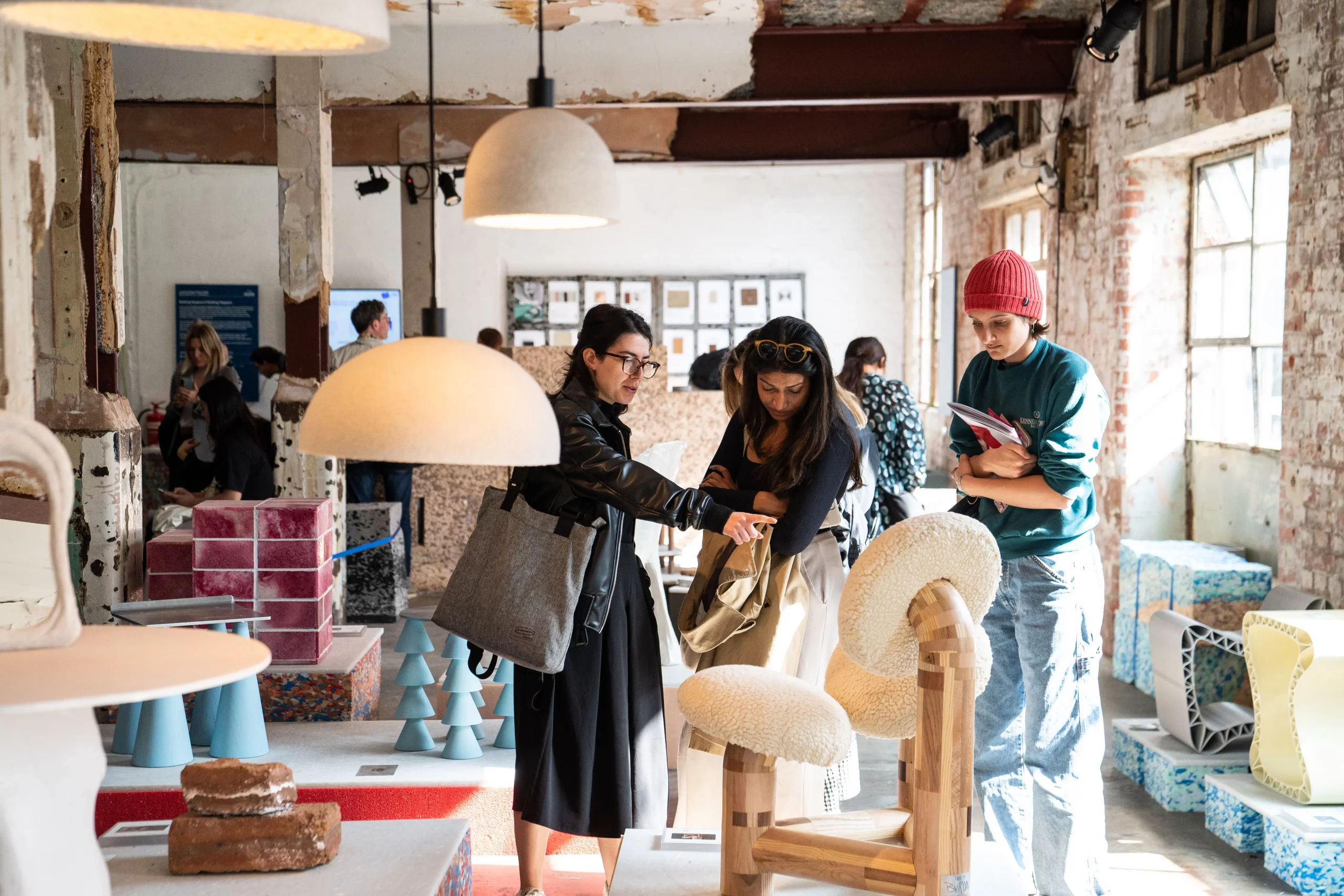
Expect a greater appetite for surfaces that retain the character of their source material. Recycled composites, rapidly renewable fibres, reclaimed timber, low-impact plaster and stone offcuts can introduce depth without making a home feel overly rustic or worthy.
The strongest applications will be selective. A recycled surface might form a kitchen worktop, a textured bio-based panel could define fitted joinery, or reclaimed flooring might provide continuity through a renovated period home.
Material innovation works best when it also solves a practical problem. Durability, maintenance and suitability for daily life still matter. The future is not innovation for its own sake, but better materials used with clarity and purpose.
One of the most convincing London interior design trends for 2026 is a renewed appreciation for evidence of the maker.
For some time, luxury was associated with visual perfection: seamless surfaces, identical finishes and rooms with very little trace of how they were produced. That definition is broadening. Increasingly, value is found in the irregularity of hand-applied plaster, the subtle variation of woven fibre or the marks left by carved timber and forged metal.
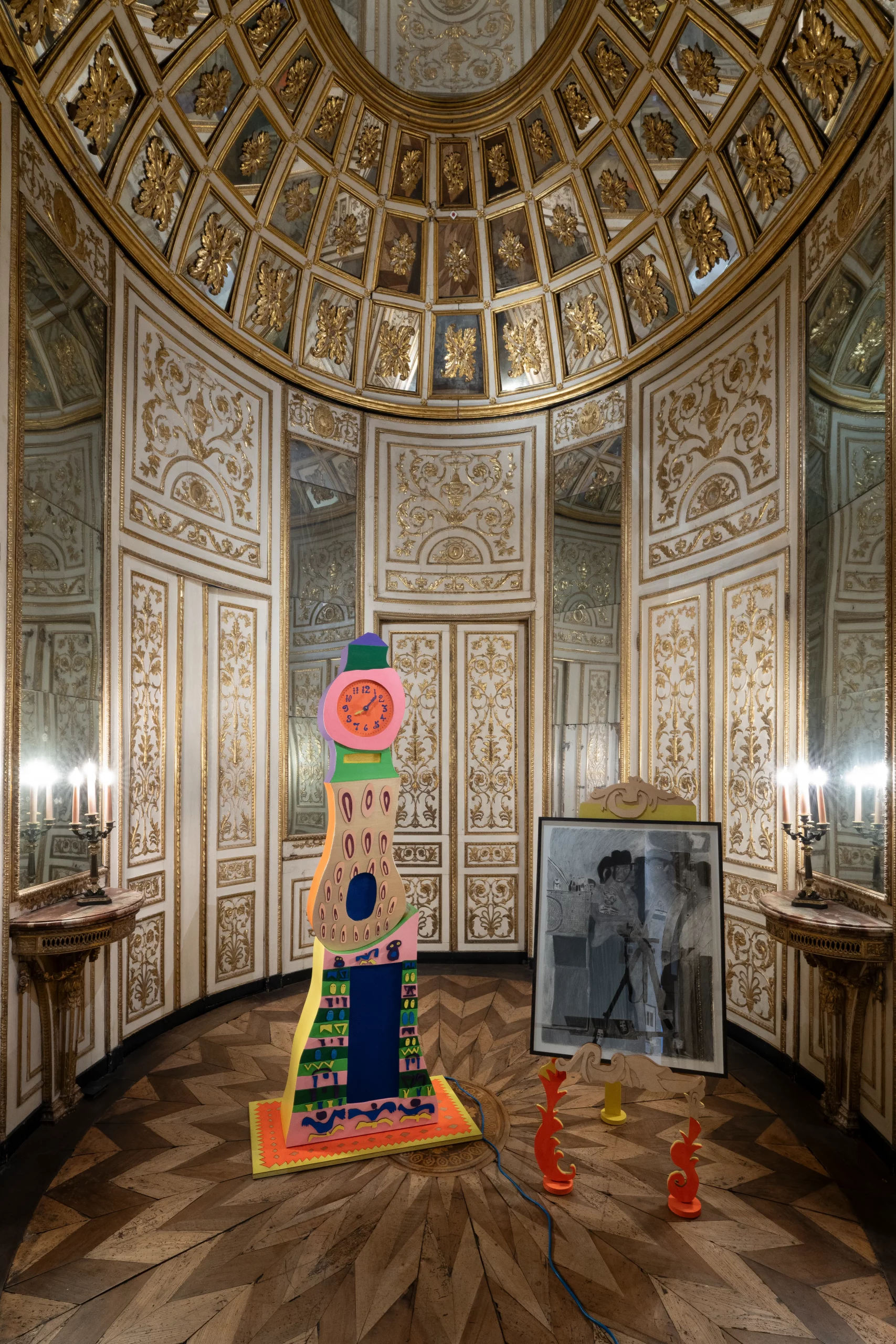
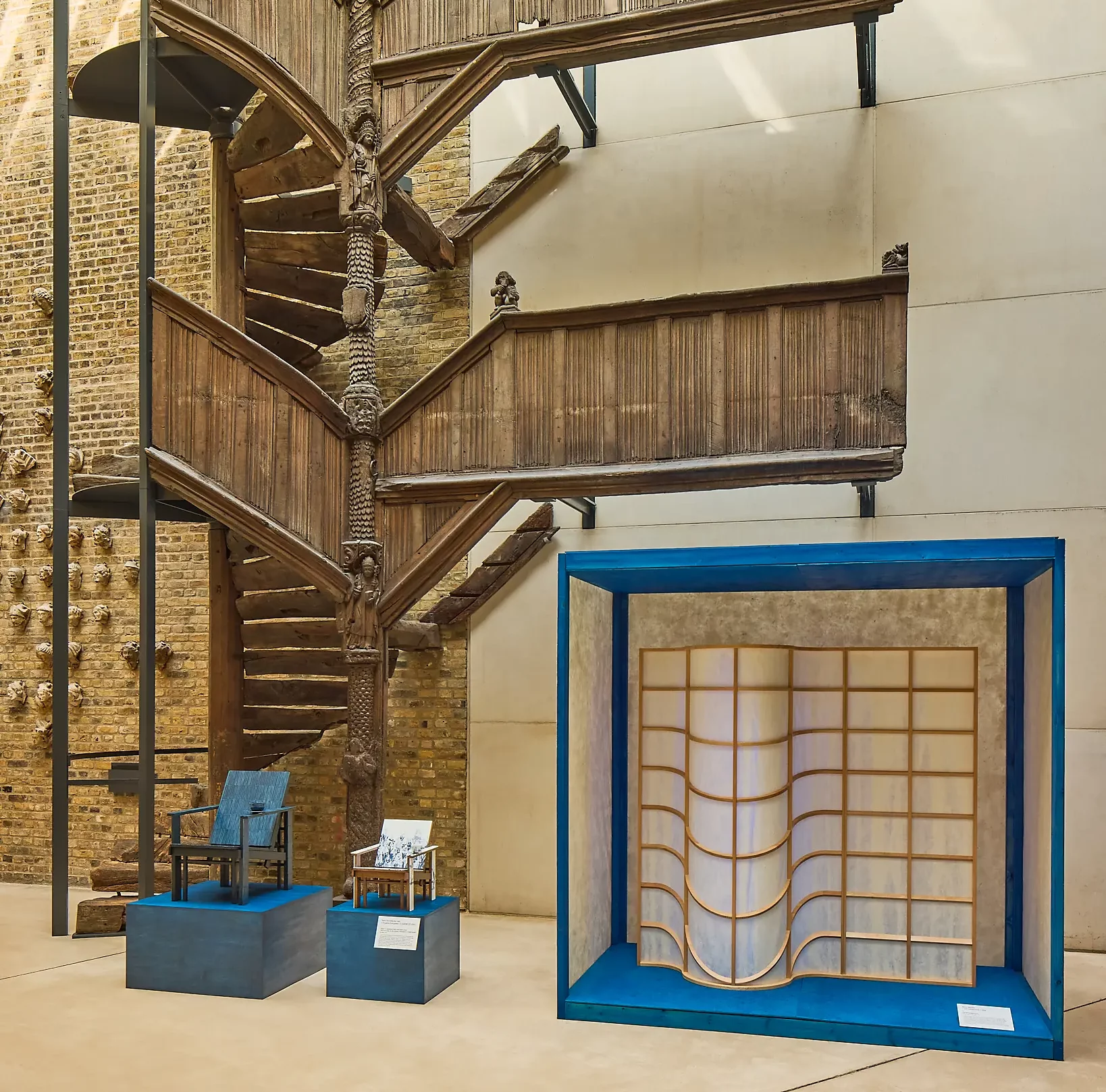
The Festival’s Craft x Tech programme at the V&A captured this shift particularly well. It brought international designers together with Japanese craftspeople, allowing traditional knowledge and contemporary technology to inform one another. Craft was not treated as nostalgia; it was positioned as a source of experimentation.
The lasting influence will not be rooms filled with conspicuously handmade objects. Instead, craftsmanship interiors will incorporate skill into the architectural fabric of a space.
This could include:
These elements give an interior identity because they belong to a particular room, property or client. They cannot be replicated simply by purchasing the same collection of products.

© Eugene Lee
© Tim Readhead
The relationship between craft and technology was one of the central threads running through London Design Festival. Significantly, the most interesting examples did not position technology as a replacement for human creativity. They used it to extend material knowledge, alter perception or create new forms of participation.
For interiors, this points away from homes dominated by screens and conspicuous gadgets. Technology will increasingly disappear into the background.
Lighting, heating, audio and window treatments can respond intuitively to routines while leaving the visual character of the room intact. Digital fabrication can help create fitted elements for unusually shaped spaces. Three-dimensional modelling can allow clients to understand proportions and finishes before work begins.
The result should not feel futuristic for the sake of it. Successful technology supports comfort, efficiency and accessibility without becoming the room’s main attraction.
Interior design has traditionally been communicated through photographs, but a home is experienced with the whole body. Acoustics, temperature, texture, movement and changing light can influence how comfortable a space feels just as strongly as its colour palette.
Several major Festival projects brought this multisensory thinking to the foreground. Mykola Kabluka’s light and media works at St Paul’s Cathedral explored how light could alter the perception of architecture and connection. At Wapping Hydraulic Power Station, The Art of Sound used spatial audio within a historic industrial setting. These large-scale installations offered a useful lesson for residential interiors: the atmosphere is designed through relationships, not isolated products.
In a London home, sensory design might mean softening the acoustics of an open-plan kitchen with upholstered furniture, curtains and textured wall finishes. It might involve creating several levels of lighting rather than relying on a grid of ceiling spotlights. Natural materials can make frequently touched surfaces feel warmer, while careful zoning can protect moments of calm within a busy household.
This approach is particularly relevant to compact homes, shared spaces and hybrid working. It also supports more inclusive interiors by recognising that people experience sound, light and spatial stimulation differently.
Shoreditch Design Week’s focus on neurodivergent design was another indication that comfort is becoming more personal and more nuanced. There is no single sensory formula that works for everybody.

© Marks Cocksedge
© Felix Speller
© Marks Cocksedge
London’s architectural variety has always influenced its interiors. The city’s Victorian terraces, mansion flats, former warehouses and post-war estates each require a different response. In 2026, we expect designers to engage more deliberately with that existing character.
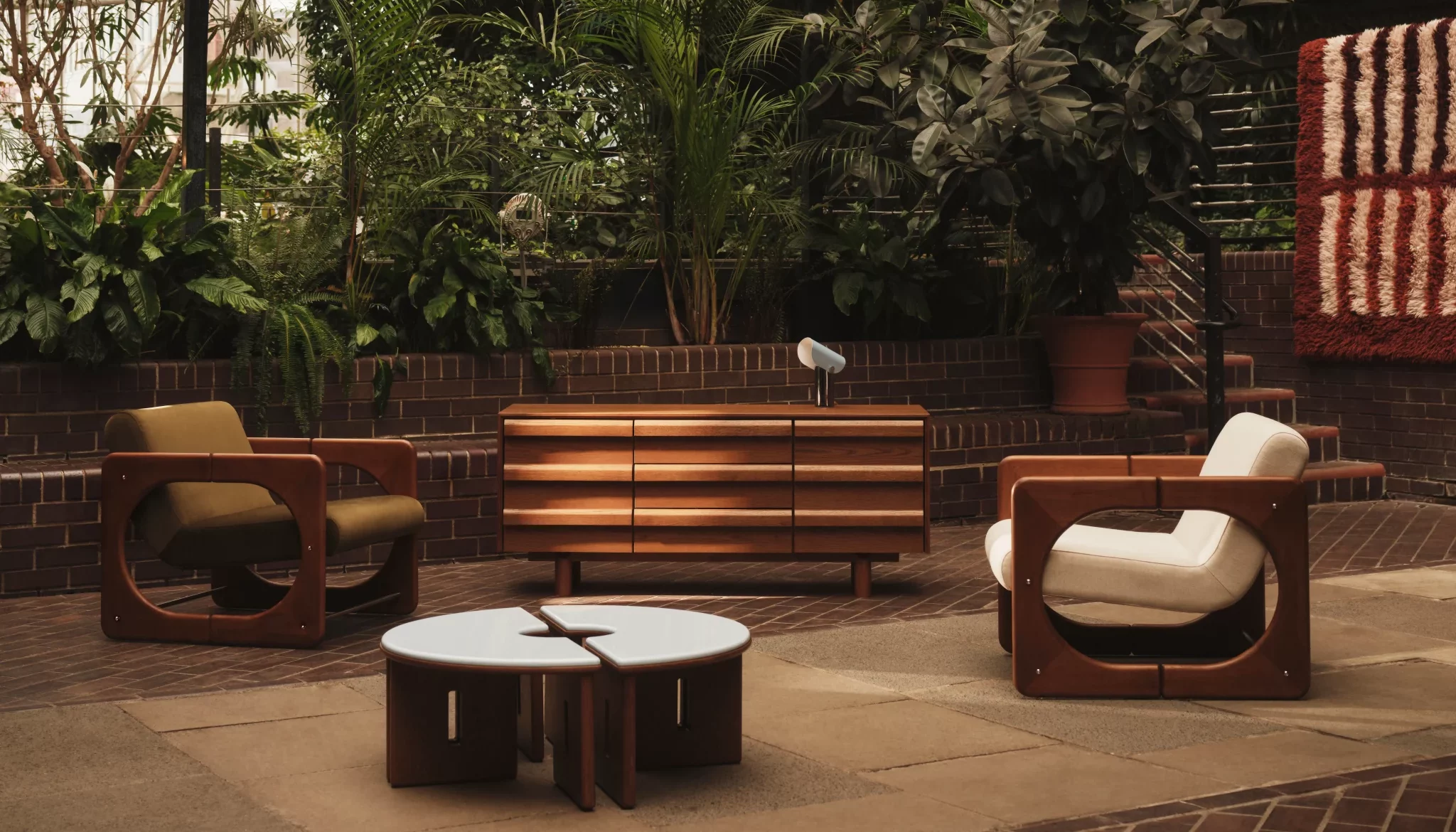
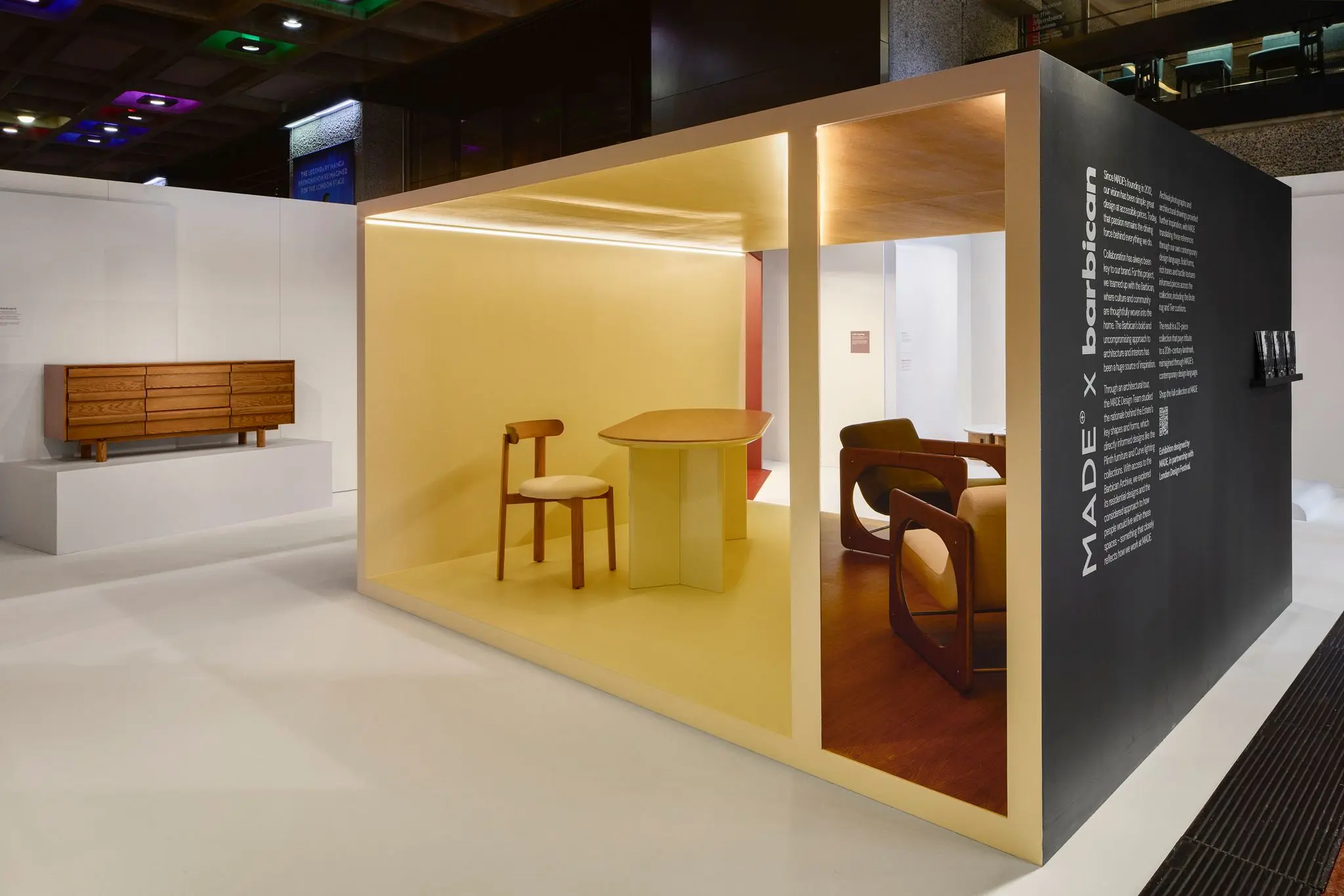
The MADE x Barbican collection provided a clear example of how archival research can inform contemporary design. Drawing from original layouts and the work of designer Miriam Howitt, the collaboration translated the Barbican’s architectural language into furniture, lighting, textiles and accessories.
This was more meaningful than simply borrowing a recognisable “Brutalist look”. It demonstrated how proportion, planning, history and original design intent can guide new work.
For homeowners, the lesson is to begin with the property rather than a predetermined style. A successful interior can acknowledge original mouldings, structural materials, unusual ceiling lines or traces of previous occupation while still meeting contemporary needs.
This does not mean preserving every feature. It means making informed decisions about what should remain, what should be adapted and what can be introduced with confidence.
© Ed Reeve
London interiors have always absorbed international influences. What is changing is the level of specificity and respect with which those references are being handled.
The 2026 Festival programme connected designers and makers across cultures while exploring heritage, migration and exchange. Projects such as The Pangolin Shield and Craft x Tech gave materials and techniques a clear geographical and cultural context.
We expect the strongest London design trends to move away from generic labels such as “global”, “ethnic” or “exotic”. Instead, designers and clients will want to understand the origin of a technique, the maker behind an object and the meaning carried by a material.
That creates richer interiors. A woven piece, ceramic vessel or carved object becomes more than a styling device when its authorship and process are understood.
With events distributed across Bankside, Brompton, Chelsea, Dalston to Stokey, EC1, Fleet Street Quarter, Mayfair, Park Royal, Shoreditch, Blackhorse and Soho, London Design Festival demonstrated that the city does not have one design identity.
Each district brought together a different network of workshops, studios, galleries and manufacturers. This decentralised structure matters because many of the most useful ideas emerge from smaller makers and local collaborations rather than large launches.
For London homeowners, sourcing locally can provide access to more adaptable and personal design. Independent workshops may be able to alter dimensions, develop a finish or create a piece for a difficult space. Shorter supply chains can also make repairs and future modifications more realistic.
Local does not necessarily mean stylistically traditional. Some of the city’s most experimental work is being created by small studios combining digital processes with specialist making.
The biggest shift within interior design London 2026 may be a change in attitude rather than appearance.
The most enduring homes are unlikely to follow one complete trend. They will combine useful ideas from several directions: innovative materials, bespoke craft, responsive technology, improved sensory comfort and a close reading of the property itself.
This is why obvious motifs seen during a design festival should be approached carefully. An unusual colour, sculptural chair or dramatic installation may offer inspiration, but it does not automatically provide a coherent design direction for a home.
Before adopting a new idea, it helps to ask:
If the answer is yes, the idea has the potential to become part of the home rather than a temporary visual reference.
© Ed Reeve
© Sophie Mutevelian
At The Stylesmiths London, we see design events as a source of questions rather than a catalogue to copy.
A material sample may lead us to rethink a joinery finish. An installation might demonstrate a new way to use light. A piece of craft can establish the emotional direction for an entire room. The value lies in translating those observations through the needs of the client and the architecture of the property.
The most important London interior design trends for 2026 all point towards the same conclusion: interiors are becoming more personal, materially intelligent and responsive to daily life.
A successful London home does not need to display every new idea. It needs a clear design language, well-resolved functionality and details that reward attention over time.
If you are planning a renovation or rethinking your home, The Stylesmiths can help turn inspiration into an interior that feels coherent, individual and built to last.
London Design Festival 2026 took place from 12–20 September 2026. It was the Festival’s 24th edition and included installations, exhibitions, talks, showroom events and design fairs across London. Visitors can revisit the event through the official London Design Festival programme.
The Festival was held across the city rather than at one venue. Its 11 design districts included Bankside, Brompton, Chelsea, Dalston to Stokey, EC1, Fleet Street Quarter, Mayfair, Park Royal, Shoreditch, Blackhorse and Soho. Major institutions such as the V&A and the Design Museum also participated.
The most influential themes included material innovation, contemporary craft, sensory design, discreet technology, adaptive reuse and greater transparency around provenance. These ideas are likely to have more longevity than individual colours or decorative motifs.
Focus on the principle behind an idea rather than copying its appearance. Consider how a material, lighting treatment, crafted detail or piece of furniture could improve the function and atmosphere of your particular property. Testing samples and viewing pieces in context can prevent expensive mistakes.
Yes. Craftsmanship can feel highly contemporary when it is integrated into clean architectural details, bespoke joinery, lighting, textiles and furniture. Handmade elements introduce depth and individuality without requiring a traditional decorating scheme.
Material innovation includes the development or creative reuse of materials to improve environmental performance, durability, comfort or appearance. Examples include recycled composites, bio-based panels, reclaimed materials and finishes manufactured with less waste. Suitability, maintenance and longevity should always be considered alongside novelty.
No. Trends are most useful as a way to discover new possibilities. The right choices should respond to your home’s architecture, your lifestyle and the intended lifespan of the project. A carefully edited interior will generally feel more personal and enduring than one built around several short-lived trends.