
Autumn changes the way we experience our homes. As daylight softens and evenings draw in, rooms that felt bright and effortless during summer can suddenly appear cool, sparse or less inviting. It is often the moment when we notice uncomfortable lighting, overlooked corners and layouts that do not quite support how we want to live during the colder months.
A successful autumn reset does not require filling a home with seasonal decorations or replacing everything in sight. The most effective autumn interior design ideas UK homeowners can adopt are considered, practical and personal. They focus on atmosphere: how light moves through a room, how materials feel and whether the space encourages us to slow down.
For London homes, the challenge is particularly nuanced. A Victorian terrace may need warmth without losing its architectural character, while a contemporary apartment might require softness and definition. In either case, the aim is the same, to create an interior that feels comfortable, cohesive and ready for the season ahead.
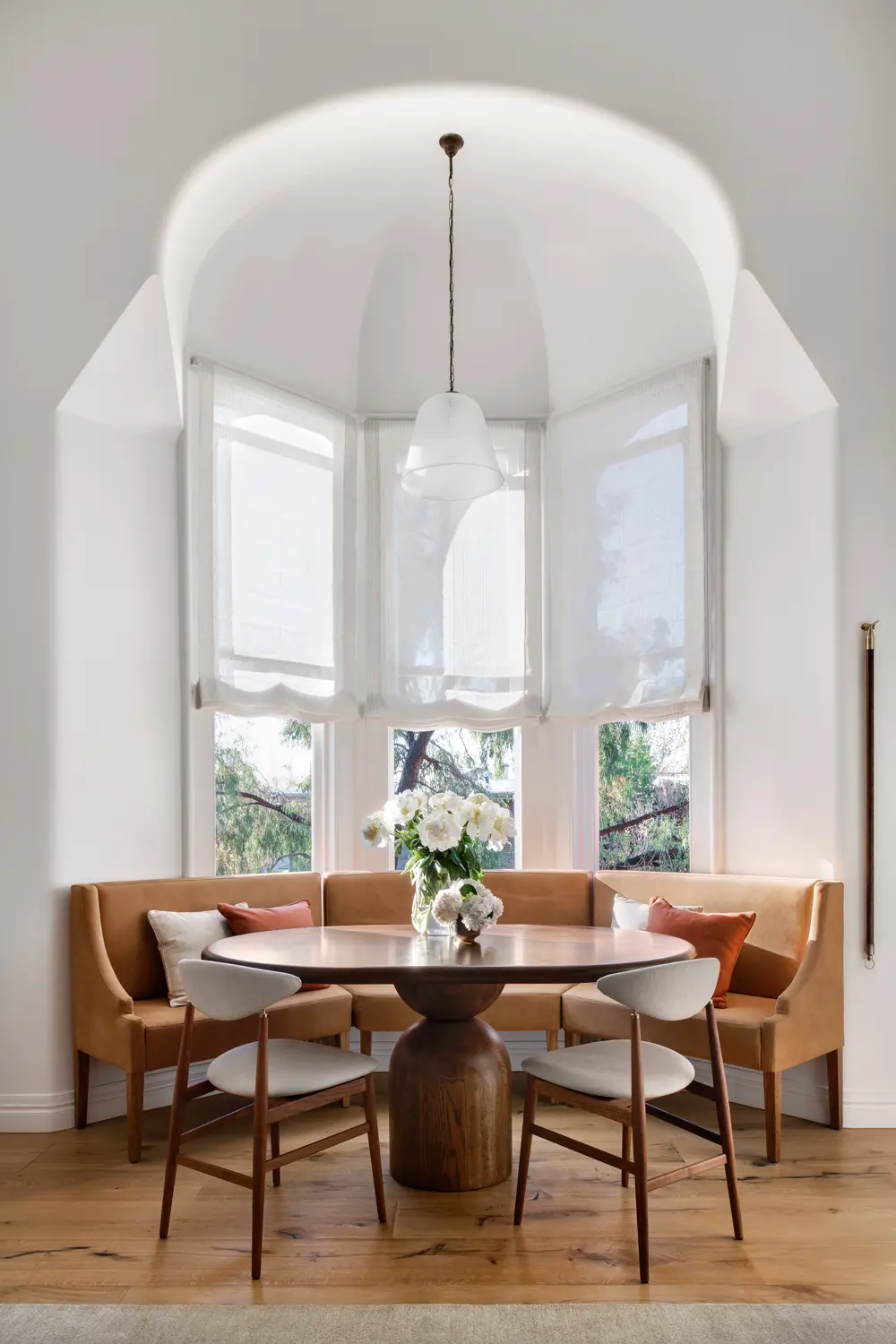
Before adding new colours, textiles or accessories, take a step back and look at each room as a whole. Autumn is an ideal time to edit what has accumulated and reconsider how your home is working.
A room can feel unsettled when too many small objects compete for attention or when furniture is positioned according to habit rather than function. Removing unnecessary pieces creates visual breathing space and allows more meaningful elements to stand out.
Consider how your daily routines change during autumn. You may spend more time reading in the living room, working from home or gathering around the dining table. A chair could be repositioned closer to a lamp, a side table introduced beside the sofa or an underused corner transformed into a comfortable place to sit.
Rather than beginning with a particular look, ask practical questions:
These questions provide a stronger foundation than following seasonal trends alone. The best London interior design ideas respond to the people using the home as well as the architecture surrounding them.
One of the most convincing London interior design trends for 2026 is a renewed appreciation for evidence of the maker.
For some time, luxury was associated with visual perfection: seamless surfaces, identical finishes and rooms with very little trace of how they were produced. That definition is broadening. Increasingly, value is found in the irregularity of hand-applied plaster, the subtle variation of woven fibre or the marks left by carved timber and forged metal.
The Festival’s Craft x Tech programme at the V&A captured this shift particularly well. It brought international designers together with Japanese craftspeople, allowing traditional knowledge and contemporary technology to inform one another. Craft was not treated as nostalgia; it was positioned as a source of experimentation.
The lasting influence will not be rooms filled with conspicuously handmade objects. Instead, craftsmanship interiors will incorporate skill into the architectural fabric of a space.
This could include:
These elements give an interior identity because they belong to a particular room, property or client. They cannot be replicated simply by purchasing the same collection of products.
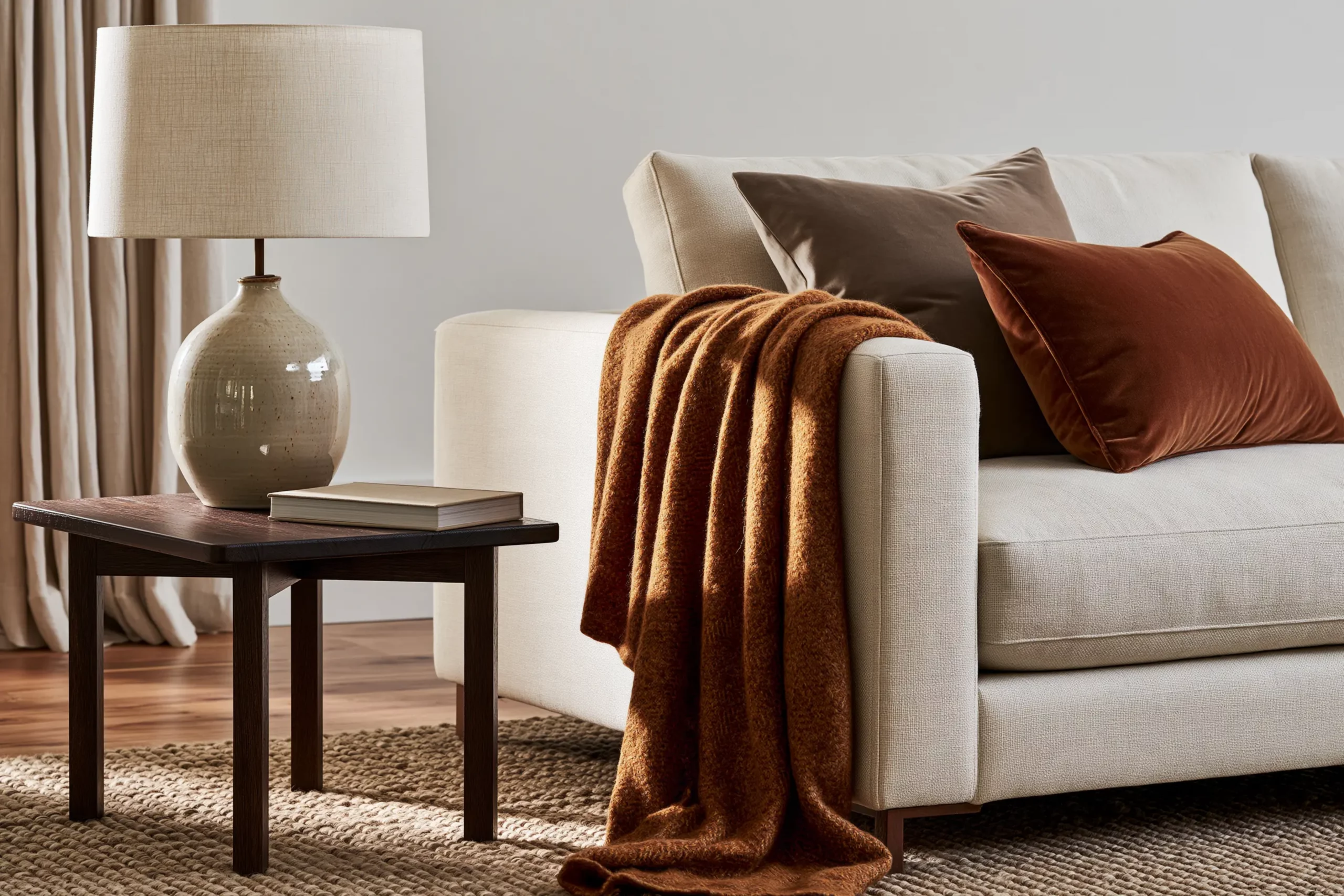
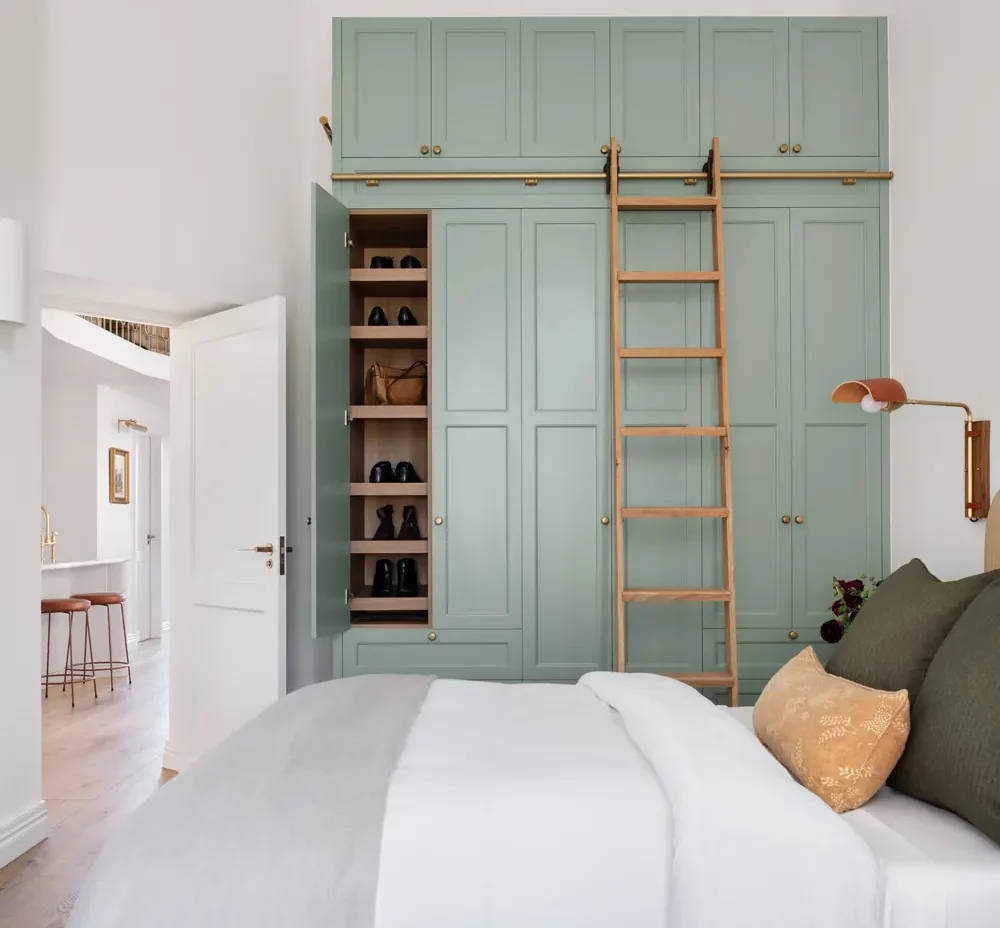
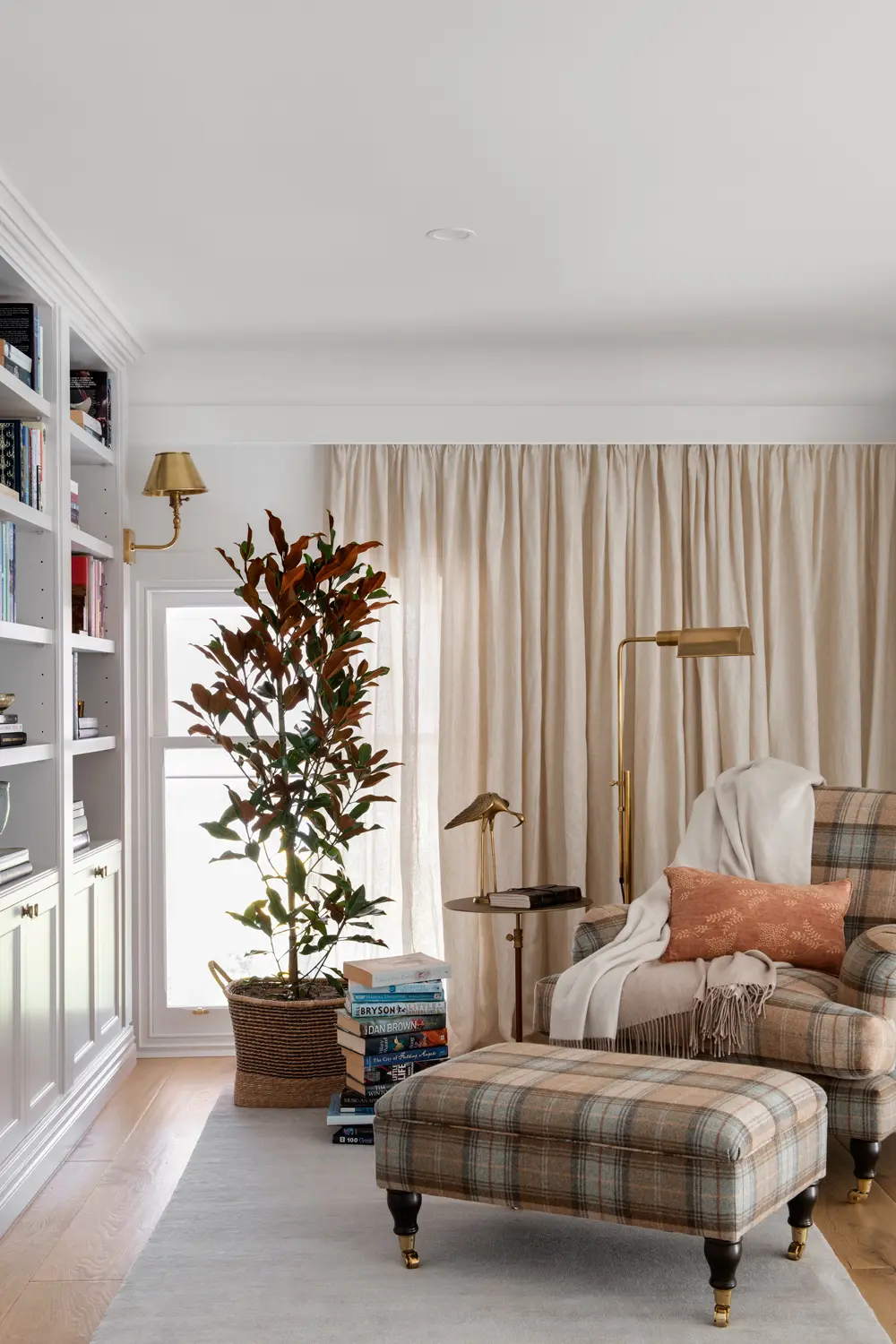
Creating a cosy home does not mean covering every surface or filling each room with accessories. The most refined cosy interior design relies on material contrast.
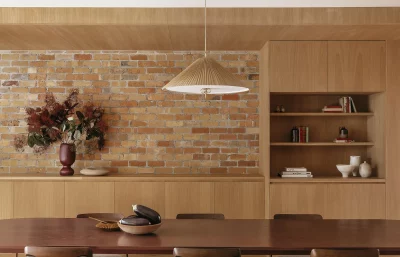
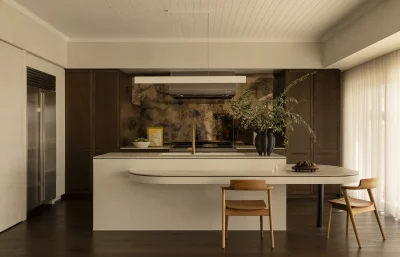
Smooth timber can sit beside woven wool, crisp linen against velvet or a polished stone surface beneath a handmade ceramic lamp. These relationships introduce warmth and interest while allowing the overall scheme to remain composed.
Textiles are one of the simplest ways to adjust a room for autumn. A generous rug can define a seating area and reduce the coolness of hard flooring. Curtains provide softness, improve acoustics and help a room feel more enclosed in the evening. Throws and cushions introduce tactile variation without dictating the entire design.
Consider materials that improve with age rather than those selected solely for their immediate appearance. Wool, linen, timber, leather and natural stone develop character through use and help an interior feel grounded.
Practicality remains important. In a busy family home, removable cushion covers, durable upholstery and easy-to-maintain rugs may be more valuable than delicate finishes. In hallways and kitchens, textured materials should be balanced with surfaces that can withstand regular cleaning. The best autumn interiors combine sensory richness with everyday usability.
Autumn colour does not have to mean orange, brown and deep red. A warm interior design scheme can be created with subtle changes in tone and contrast.
Begin with the colours already present in the room. Look at the undertones in timber, flooring, stone, artwork and upholstery. From there, introduce complementary shades that strengthen the existing palette rather than competing with it.
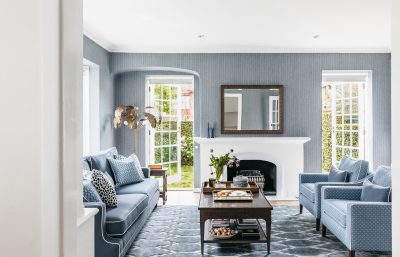
Warm neutrals such as chalk, oat, mushroom, clay and soft taupe can make a room feel gentler without reducing its sense of light. Muted olive, burgundy, tobacco, aubergine and inky blue provide greater depth. Even cooler colours can feel inviting when paired with warm timber, aged brass or tactile fabrics.
Natural light varies significantly between London properties. A north-facing room may make certain greys appear cold, while a south-facing space can support deeper or earthier shades. Basement rooms, rear extensions and apartments overlooked by neighbouring buildings each respond differently.
Always test paint and fabric samples in the room itself. View them in the morning, afternoon and under artificial light before making a final decision. A colour that appears balanced in a showroom may behave very differently at home.
For a smaller update, introduce colour through lampshades, upholstery, cushions, artwork or a single painted piece of joinery. These changes can alter the character of a room without requiring a complete redesign.
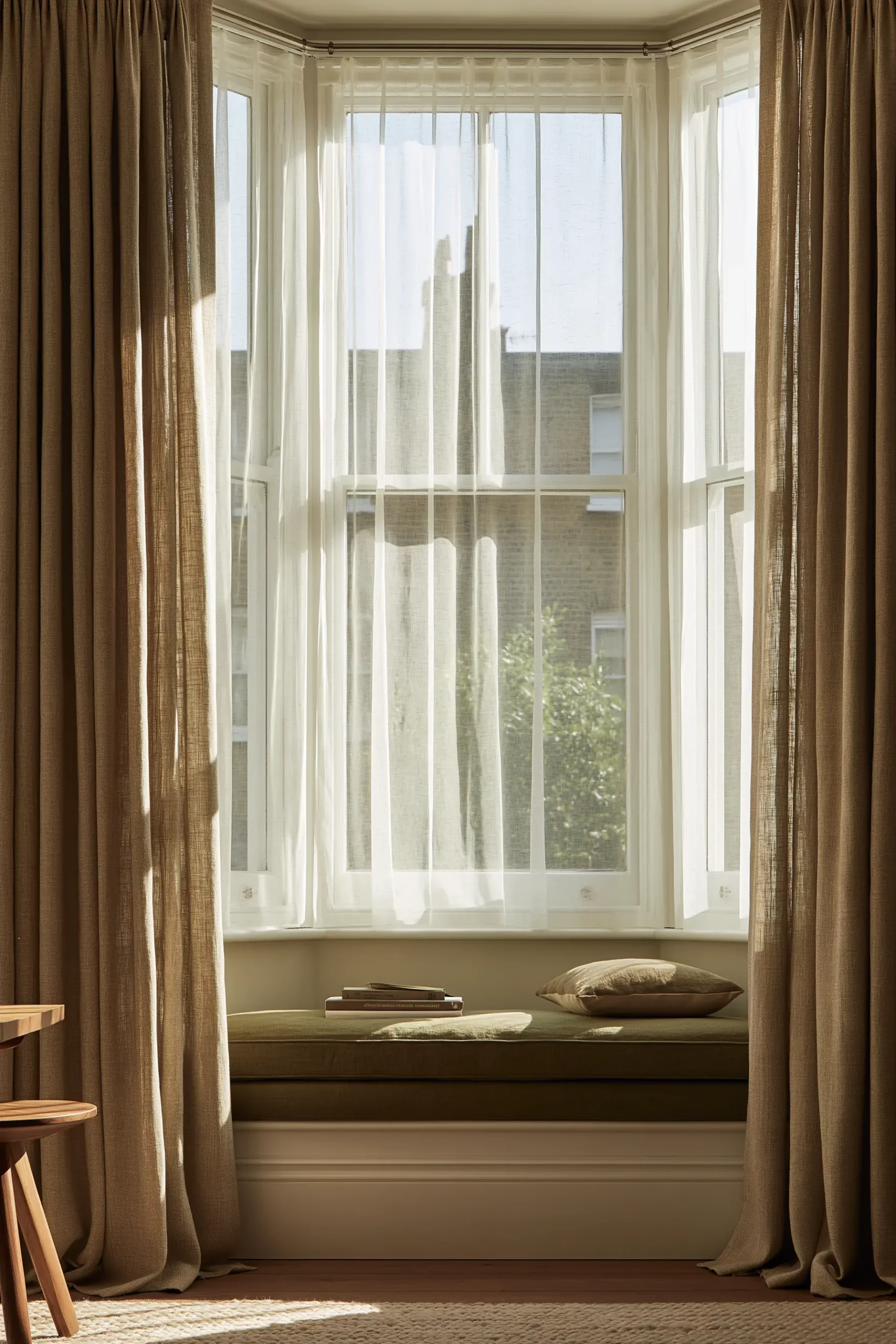
Windows have a major influence on both the comfort and atmosphere of a London home. During autumn, they need to help retain warmth, manage privacy and make the most of limited daylight.
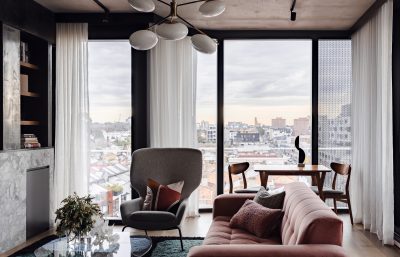
Layering window treatments can provide flexibility. A sheer curtain softens daylight and offers daytime privacy, while a heavier curtain adds warmth in the evening. Roman blinds can be useful where full-length curtains are impractical, and shutters can suit period properties when their proportions are carefully considered.
Curtains should feel generous rather than mean. Hanging them higher and wider than the window can make an opening appear larger while allowing more glass to remain visible when the curtains are drawn back.
In rooms with original windows or noticeable draughts, lined curtains can also improve comfort. Functional decisions such as these often have a greater effect on how welcoming a room feels than purely decorative additions.
Furniture arrangement shapes how people move through and gather within a room. In summer, a layout might focus on garden access or open circulation. During autumn, the emphasis often shifts towards conversation, comfort and shared activities.
Pulling furniture slightly away from the walls can create a more connected seating arrangement. Positioning chairs so they relate to the sofa encourages conversation. A rug can anchor the group, while a well-placed coffee table or ottoman makes the space easier to use.
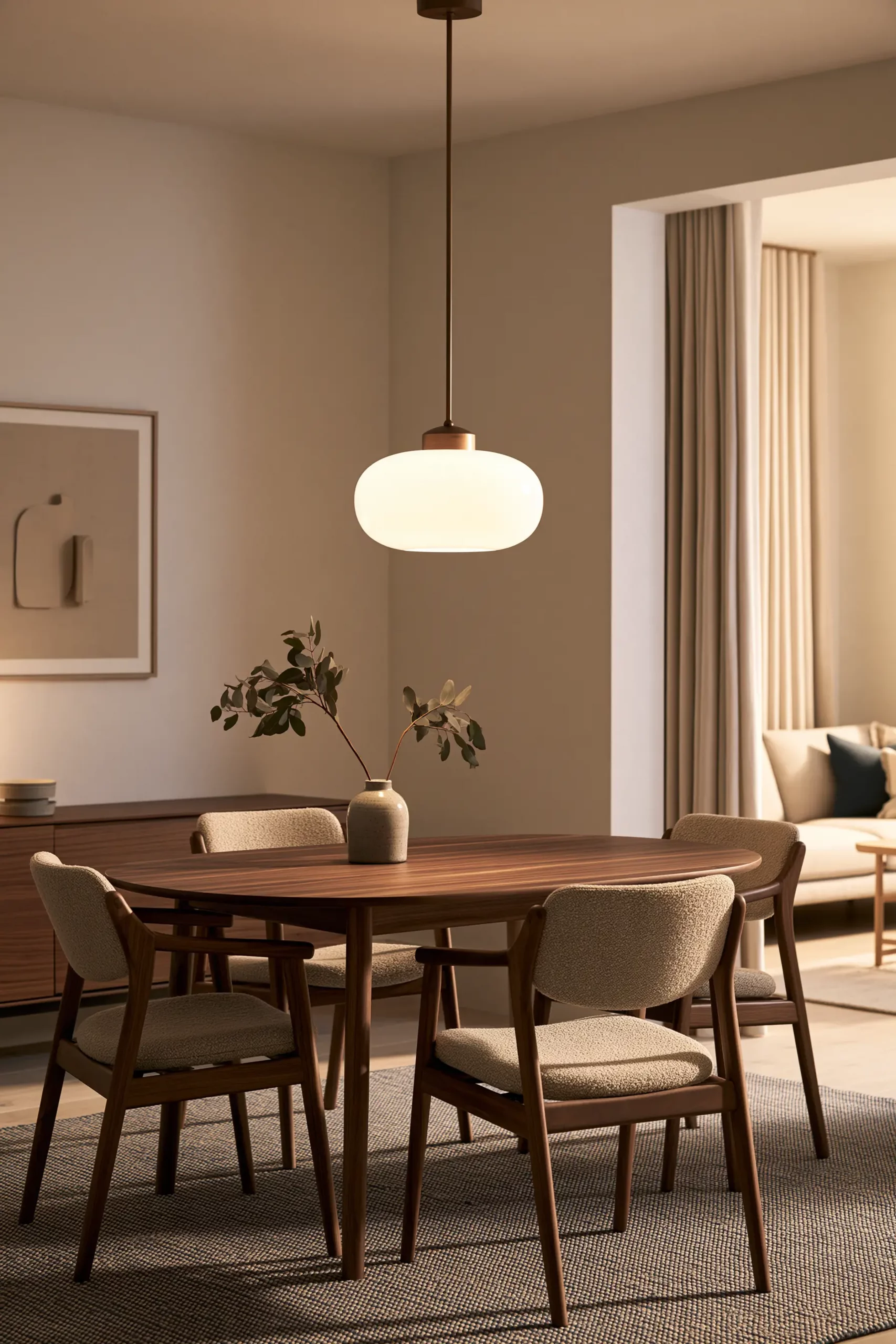
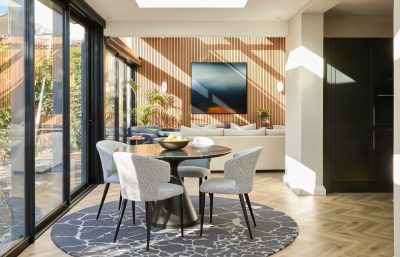
In an open-plan home, lighting and furniture can create distinct zones without introducing walls. A pendant light may define the dining table, a console can separate an entrance from a living area, and an armchair with its own lamp can form a quiet reading space. These are modest changes, but they can make a home feel more intentional.
A calm interior is experienced through more than sight. Hard surfaces and open-plan layouts can amplify sound, particularly in modern apartments or renovated homes. Rugs, curtains, upholstered furniture and fabric lampshades can soften acoustics while adding visual warmth.
Scent can also influence atmosphere, but subtlety matters. Natural candles, fresh foliage or a restrained home fragrance can create a sense of ritual without becoming overpowering.
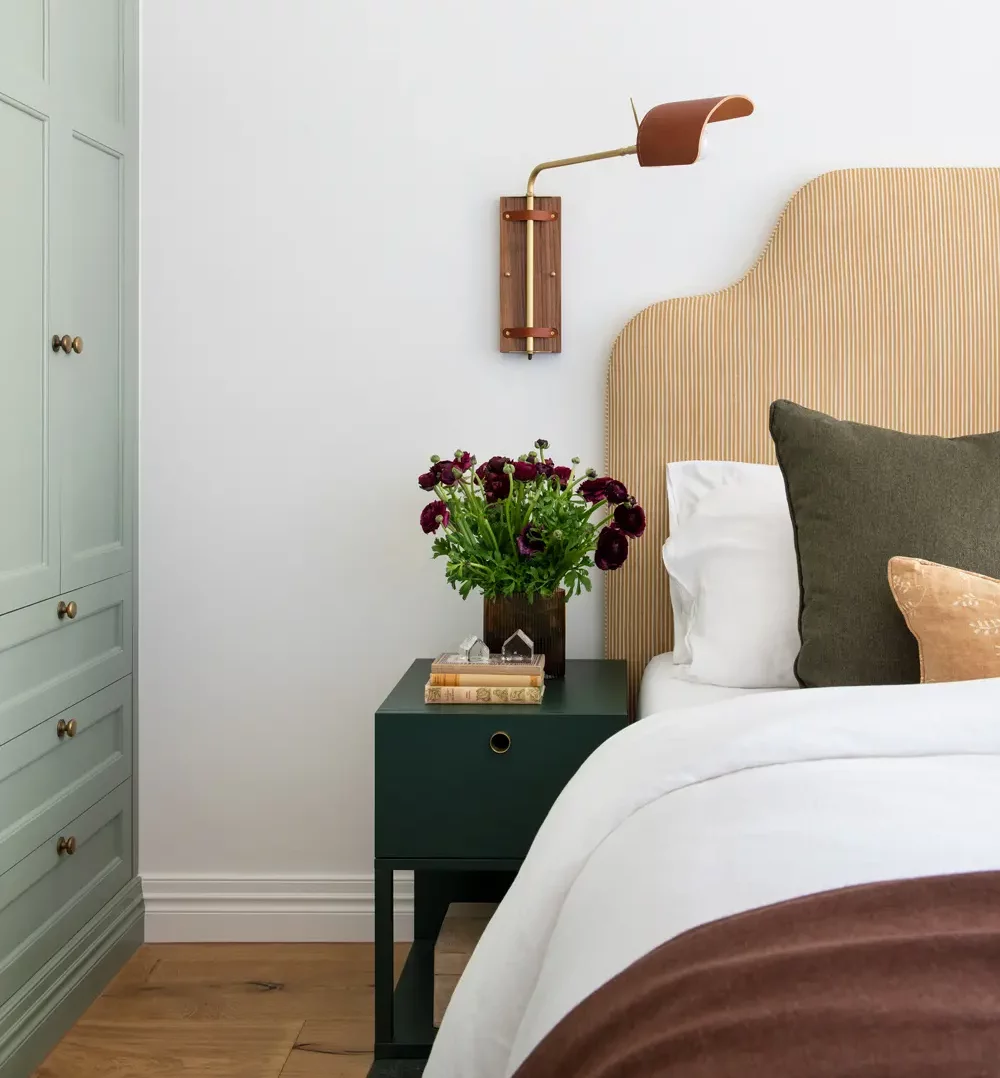
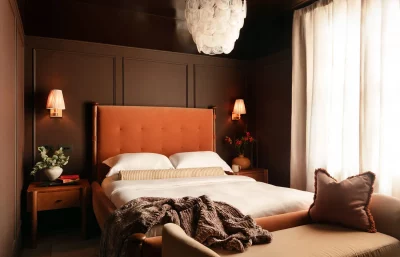
Frequently touched details deserve equal consideration. A solid timber handle, soft upholstered headboard or well-made wool blanket can improve the daily experience of a room. These tactile decisions may appear small, but together they help a home feel more carefully resolved.
An autumn reset can reveal which parts of the home deserve longer-term attention. Rather than making several small impulse purchases, consider investing in one element that will improve daily life.
This might be a properly proportioned sofa, bespoke storage, a durable rug or a dining table suited to both meals and work. It could also mean improving the lighting plan, updating window treatments or reupholstering a favourite chair.
Quality does not depend solely on price. It comes from selecting the right dimensions, materials and construction for the way an item will be used.
The strongest autumn interior design ideas UK homes can adopt are those that remain valuable beyond the season.
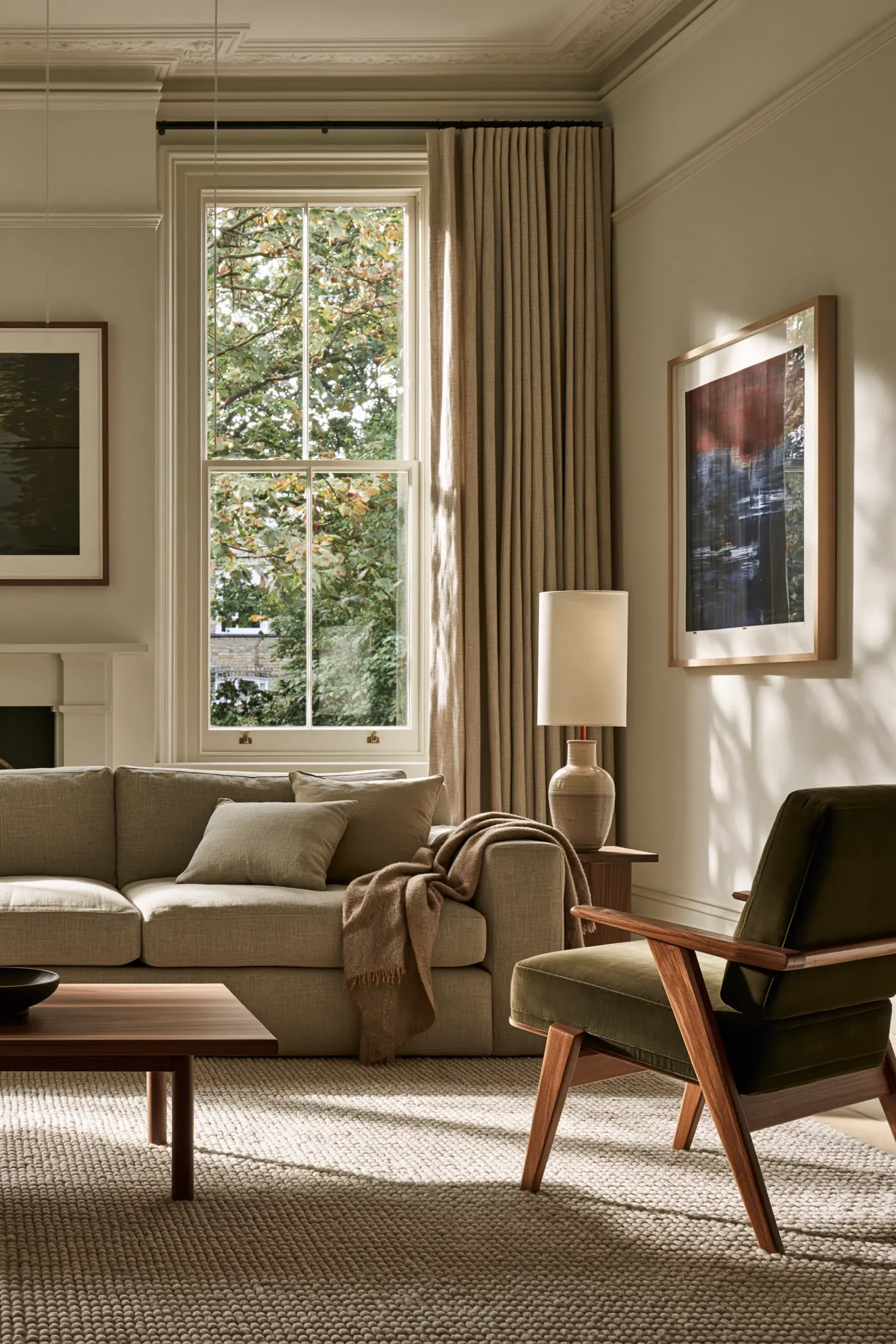
Some of the most effective autumn home ideas come from observing the natural world rather than reproducing obvious seasonal motifs.
Branches, sculptural foliage and dried seed heads can introduce height and movement. A group of handmade ceramics can bring organic shape and tonal variation. Timber, stone, woven fibres and natural fabrics create a longer-lasting connection to the season.
Houseplants also contribute softness and life, although their placement may need to change as daylight reduces. Move plants closer to suitable windows and avoid positioning them directly beside radiators.
The aim is not to theme the interior around autumn. It is to introduce natural forms and materials that feel appropriate throughout the year.
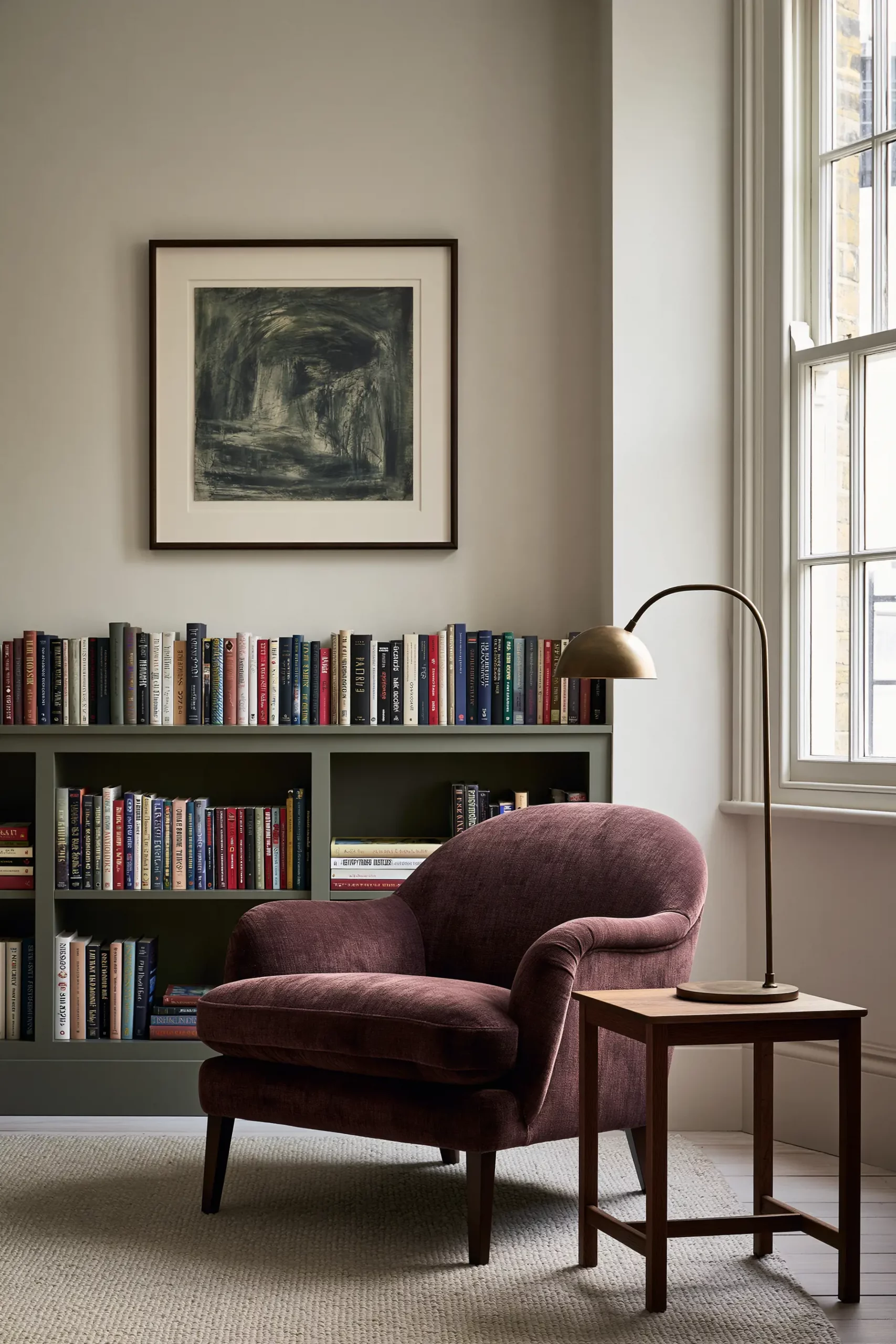
One of the most useful principles of autumn interiors in London is to concentrate comfort where it will be appreciated.
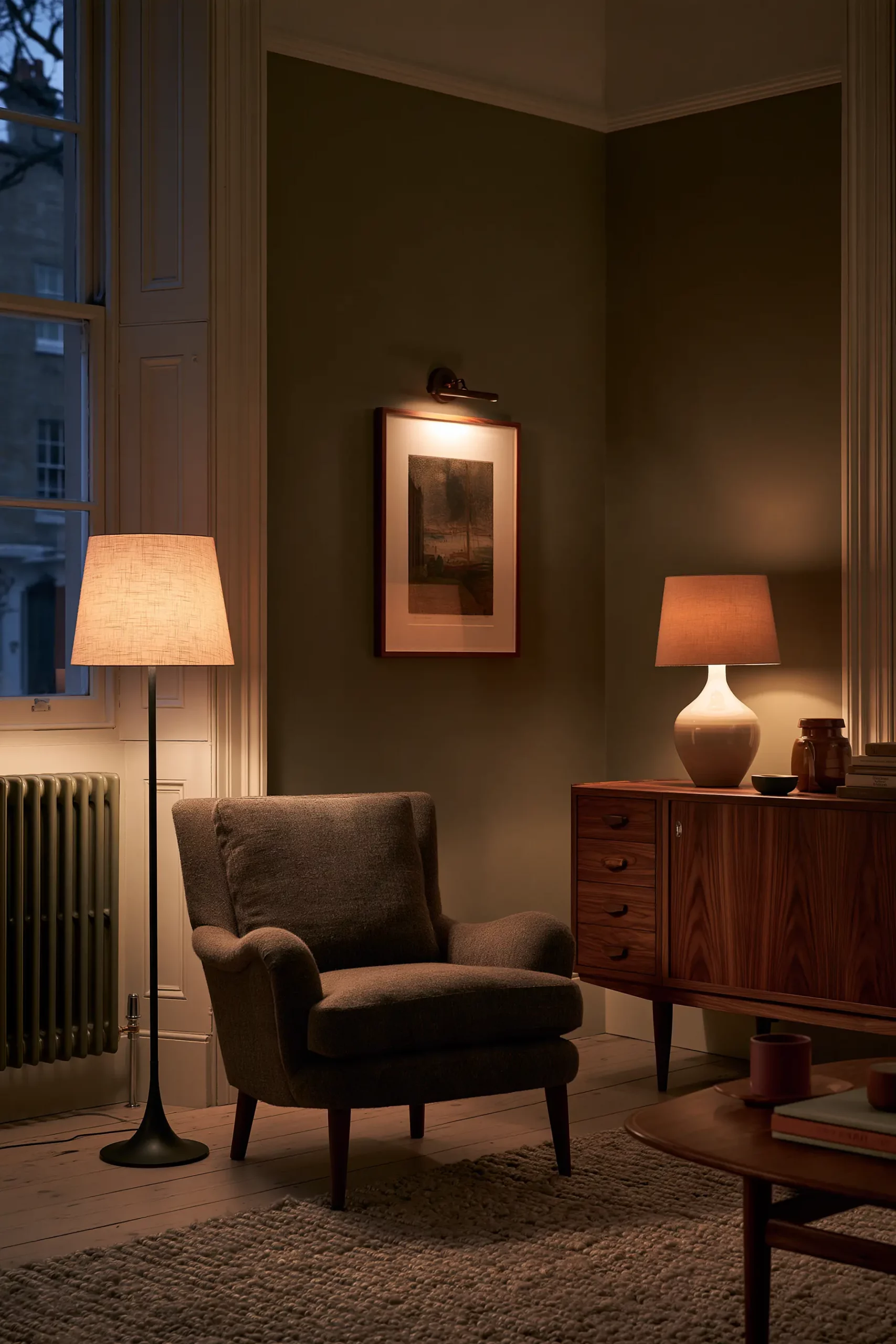
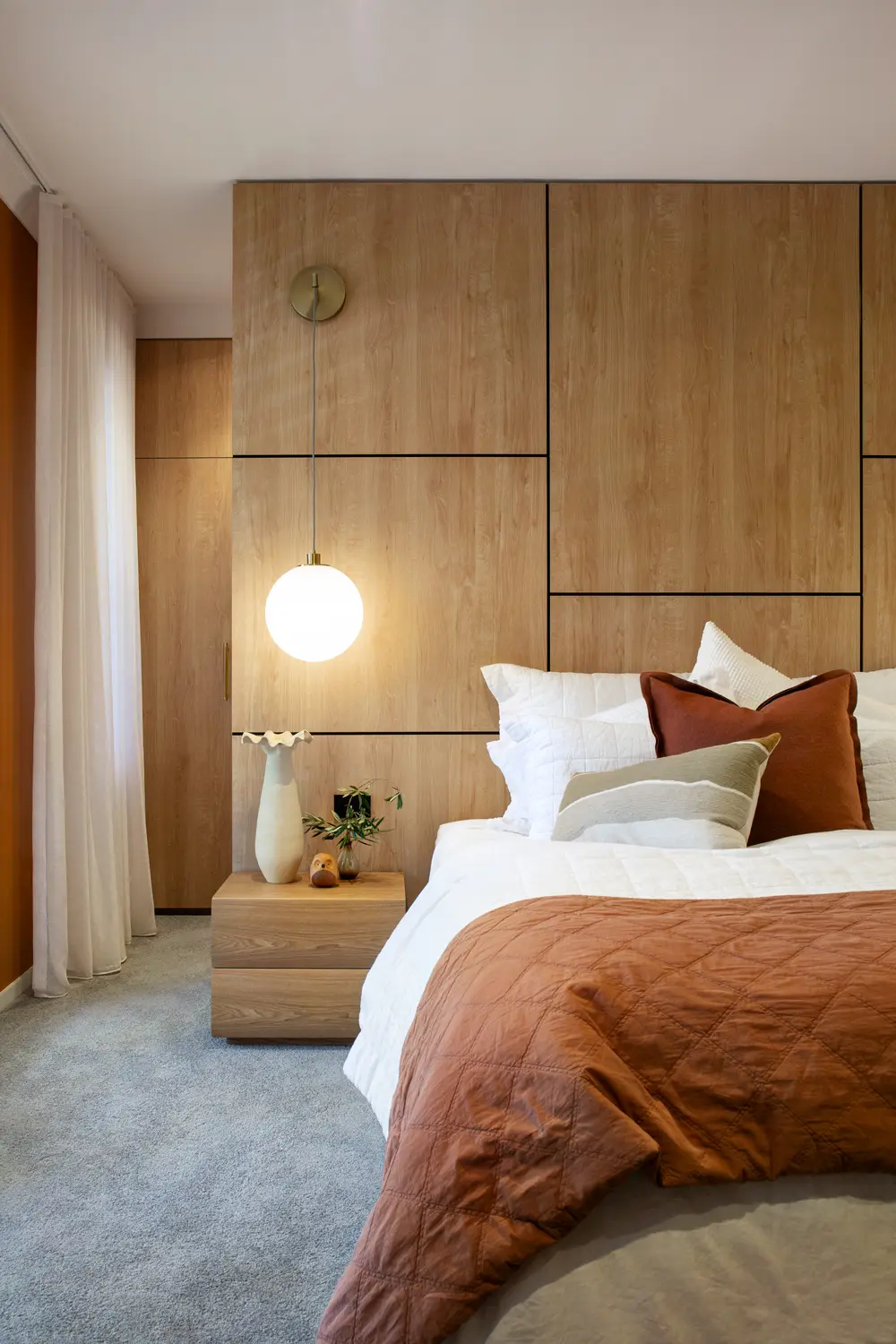
Instead of styling every surface, create a few purposeful moments: a reading chair with good lighting, an inviting window seat, a dining table illuminated by a low pendant or a bedside area with everything needed close at hand.
A considered home does not need to look full. It needs to feel attentive. Space around furniture, artwork and objects allows their shape and material to be noticed.
This restraint also makes seasonal changes easier. A carefully chosen throw, vase or lampshade can have more impact when it is not competing with numerous other elements.
At The Stylesmiths London, we believe seasonal changes are an opportunity to understand a home more clearly. Rather than applying a predetermined style, we consider how the architecture, natural light and daily routines can work together.
A successful autumn interior may involve a new lighting scheme, richer material layers or a more functional furniture layout. Often, the most effective solution combines small adjustments with one or two carefully planned improvements.
The result should feel warmer and calmer, but also distinctly personal. It should provide comfort during the darker months without becoming visually heavy or losing its relevance when spring returns.
If your home feels unresolved, The Stylesmiths can help you develop an interior that balances atmosphere, function and individual character.
Begin with lighting, textiles and furniture placement. Introduce table or floor lamps, add a rug or heavier curtains and arrange seating to create a more intimate layout. A small number of purposeful changes can significantly alter how a room feels.
Warm neutrals, earthy greens, muted reds, tobacco tones and deep blues can all create warmth. The undertones and surrounding materials are more important than the colour category itself. Always test colours in the room’s natural and artificial light.
Layered lighting combines general, task and accent lighting. This could include ceiling lights for overall illumination, a floor lamp for reading and wall or picture lights to highlight artwork and architectural details. Using several light sources creates flexibility and atmosphere.
Focus on texture rather than quantity. Use a well-sized rug, curtains, tactile upholstery and a few carefully selected accessories. Leaving space around furniture and objects will help the room feel calm and intentional.
Wool, linen, velvet, timber, leather, natural stone and handmade ceramics introduce tactile warmth and depth. Choose materials that suit the way the room is used and consider their durability and maintenance requirements.
Use warm, layered lighting and select furniture that is appropriately scaled. Define different activities with rugs, lamps and careful furniture placement rather than filling the space with additional pieces. Curtains and upholstered elements can also soften sound and create comfort.
No. An autumn interior can be warm and inviting without using orange or brown. Soft neutrals, muted greens, burgundy, aubergine and inky blue can create depth, especially when combined with warm timber, metal and natural textiles.
An interior designer can identify which changes will have the greatest impact, from improving the layout and lighting to selecting colours, materials, furniture and window treatments. This helps create a cohesive result and avoids spending money on pieces that do not work together.